In Abu Hamad, alongside the Nile, the lush gardens and fields that once produced dates, citrus fruits, and winter grains have now turned into ruins. This area, known as one of the food sources of eastern Sudan, including Khartoum and Port Sudan, is now in a concerning state.
Destruction of Agricultural Lands
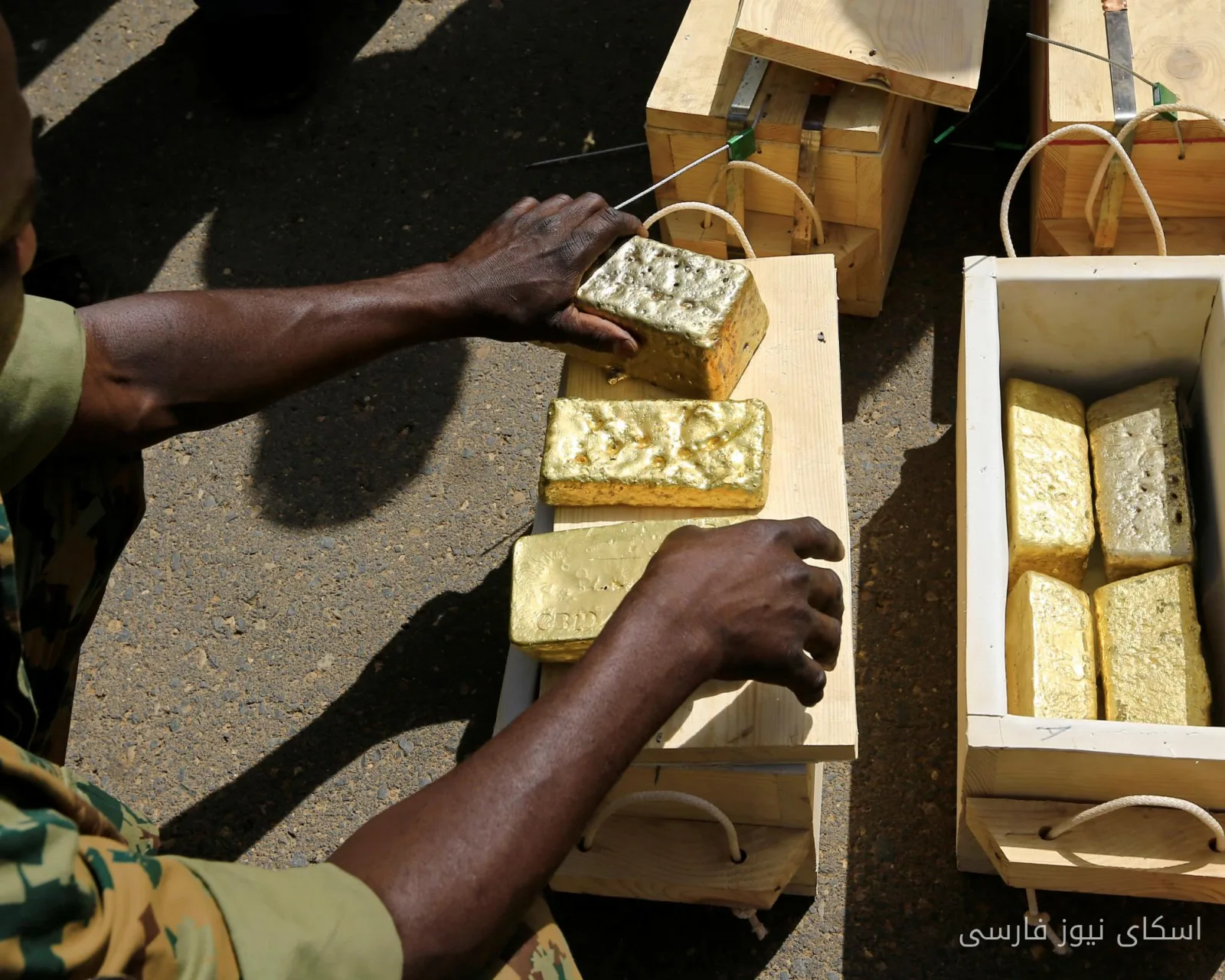
Today, the fertile lands of Abu Hamad have drastically changed. Trees have been cut down, fields cleared, and in their place, shops and commercial establishments are visible. More than 700 gray waste mounds around the city have turned the soil, water, and air into a deadly poison. These mounds are toxic remnants of artisanal gold mining, an activity that began around 2008 and has intensified in the last six years.
Public Health Crisis
This mining boom, rooted in war and poverty, has not only contaminated the lands but has also brought about a public health crisis. The chemicals used in the gold extraction process have rapidly seeped into the soil and water, jeopardizing the health of residents. In fact, the local community in Abu Hamad is now grappling with the consequences of these activities, and the dangers posed by environmental pollution are increasing every day.
It seems that Sudan is in the midst of a serious crisis. Is it not time for officials to pay more attention to this issue and take actions to save the fertile lands and protect the health of the community?