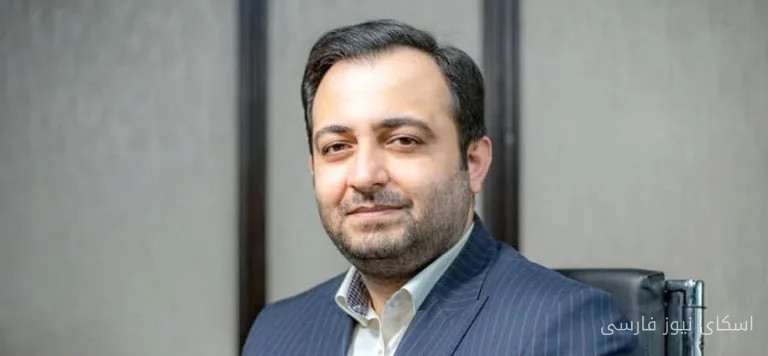
Mohsen Seyfi Kafshgar, the current CEO of Bank Melli Iran, is at the center of attention. Questions have arisen regarding the financial origins of a 1327.5 square meter piece of land that has been transferred to the name of his young son, Sepehr Seyfi Kafshgar. This land is located in Tehran's Poonak district, and due to its value, serious questions have emerged about how the funds for its purchase were secured.
Financial Questions and Communication Networks
Past experiences show that individuals in the banking system may acquire properties and large assets through various means. For example, Morteza Rahimi Tari has transferred an apartment in Farmanieh to Mohammad Mehdi Ahmadi, the son-in-law of Mohsen Rezai and CEO of Bank Shahr. This situation reflects a complex network of property and financial transfers in which Mohsen Seyfi's name also appears.
Hooman Rouh-al-Amini, one of the key figures in this brokerage network, plays the role of an intermediary in financial and property transactions through the company "Pars Farnoosh Amin." He acts as a liaison between loan applicants and bank managers, participating in various projects, raising concerns about the implications of these activities.
The Role of Hossein Khamoushi and Family Connections
Hossein Khamoushi, another member of this network, facilitates certain property transactions through his family connection with Seyyed Mehdi Khamoushi, the head of the Organization of Endowments and Charity Affairs. These interactions indicate the existence of complex financial and economic relationships at a macro level that could influence banking processes.
Rouh-al-Amini not only introduces applicants to banks but also plays an active role in the stages of obtaining and expediting loans. A percentage of the loan value is charged as a fee for these services. This situation has raised questions about transparency and financial integrity within the country's banking system.
Expansion of Activities
With Mohsen Seyfi's transfer from Bank Saderat to Bank Melli, the scope of activities of this network has also expanded, establishing connections with economic entities affiliated with Bank Melli. The National Development Group and Behshahr Industries Development Group are among these entities involved in financial interactions with Rouh-al-Amini and Khamoushi.
A closer examination of this network and its connections reveals a picture of a more complex structure within the banking industry; a structure that includes intermediaries, managers, and capital owners, with the main goal of facilitating access to banking resources and large loans.