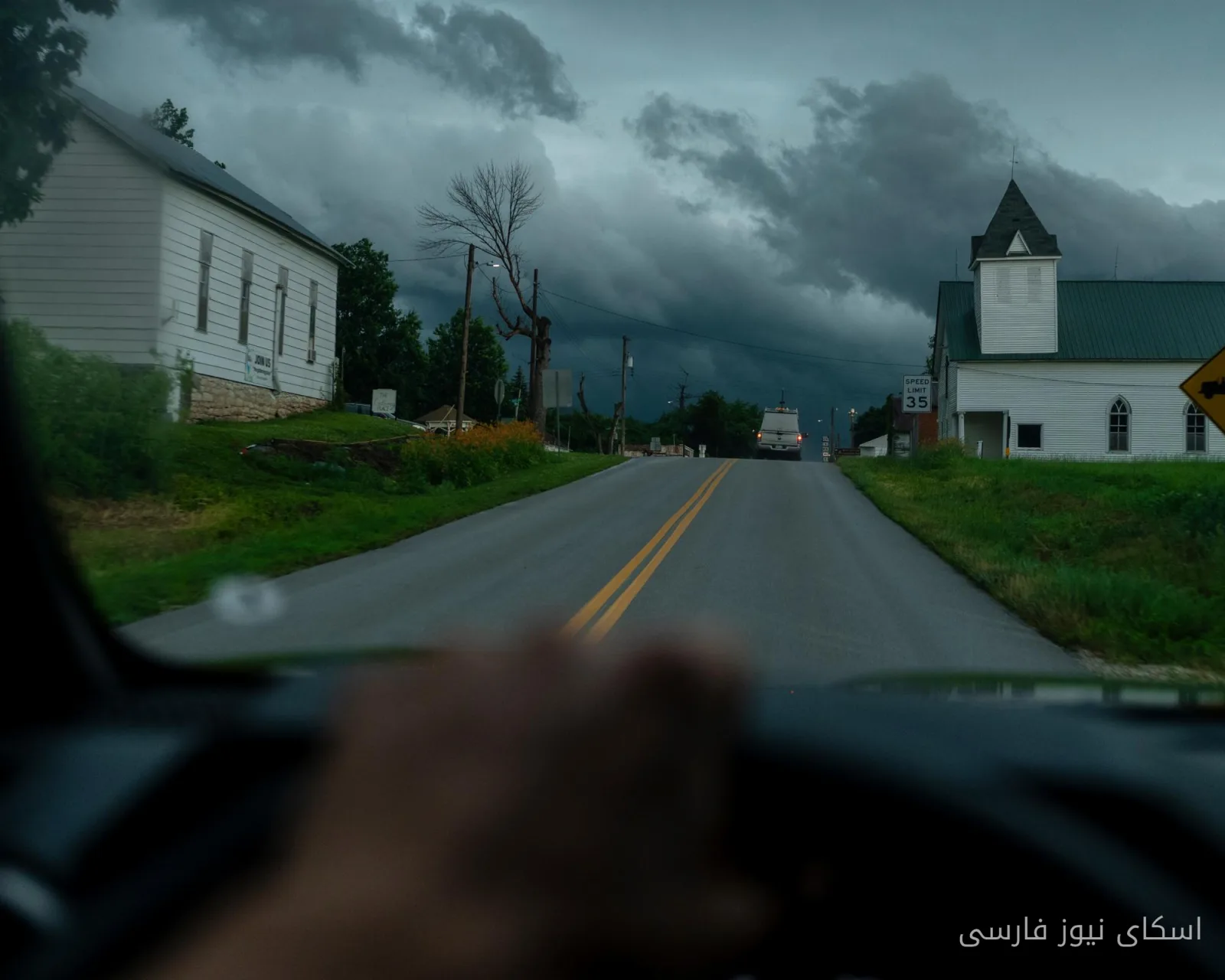
In Iowa, where the land is extremely thin and filled with natural hazards, a group of fearless researchers ventures into the storms. These researchers seek out storms each year that could turn into destructive tornadoes. Despite the side dangers, they are looking for answers to a vital question: why do some storms have the ability to turn into tornadoes while others do not?
Dangerous Challenges and the Effort to Save Lives
These researchers go down narrow and dangerous roads to study tornadoes when storm warnings sound. As soon as the tornado warning appears on their smartphones, they look for shelter. However, this migration into the heart of the storms is not just an adventure; it is also a serious effort to save human lives.
Every year, tornadoes claim the lives of hundreds of people in the United States and lead to widespread destruction. By closely studying storms and their behavior, these researchers aim to identify patterns that may facilitate the prediction of tornado occurrences. The information obtained from this research can help relief organizations take quicker actions in critical situations.
Technology and Science in the Service of Safety
The use of modern technologies in this research has enabled researchers to collect accurate data from storms. This information helps them better understand what factors can lead to the formation of tornadoes. On the other hand, this information could improve warning systems and storm prediction, ultimately saving more lives.
In a world where climate change is significantly impacting weather patterns, this research can serve as a beacon for securing communities against storms and tornadoes. Researchers continue their work with the hope that one day they will be able to predict storms more effectively and protect human lives.