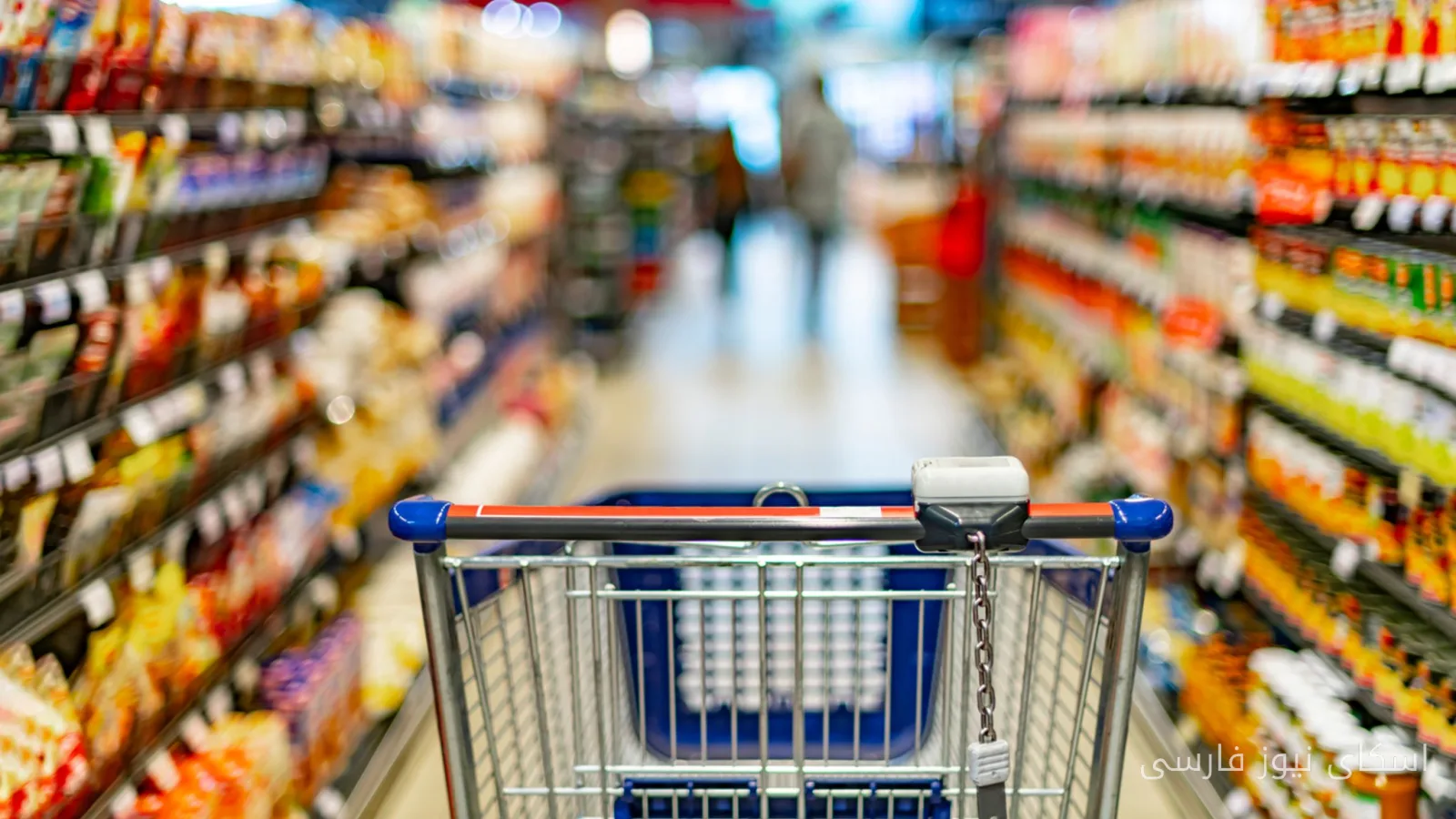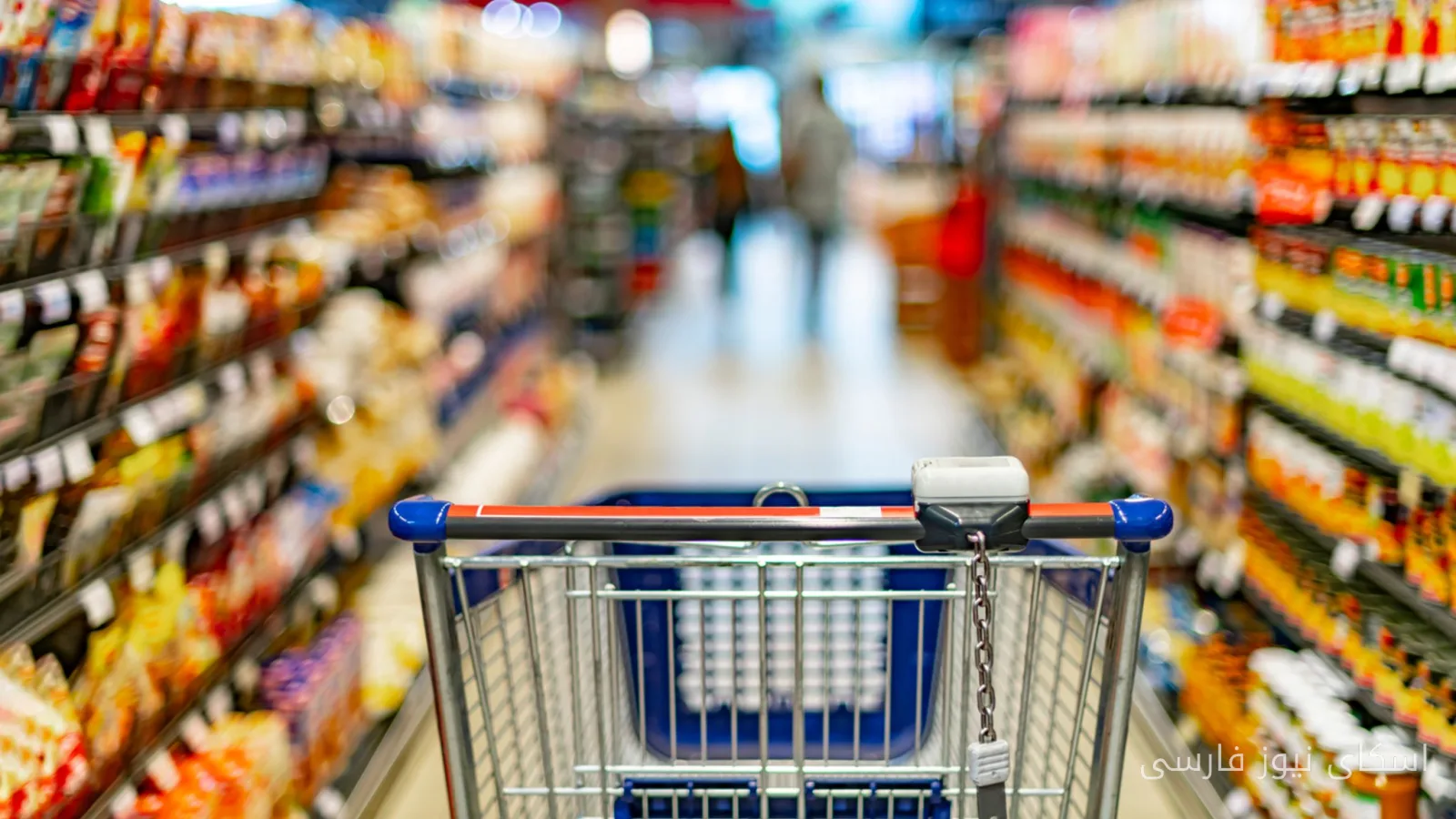
Food price inflation in Britain has risen above its lowest level in 2024. This increase comes amid concerns about rising energy prices and poor harvests, which could put further pressure on living costs this winter.
Factors Affecting Food Price Inflation
Economic experts believe that rising energy prices, especially in the energy and fuel sectors, directly impact the costs of food production and distribution. High energy rates can lead to increased transportation costs as well as raw material prices. As a result, these factors can contribute to higher final prices for food products in stores.
Additionally, poor agricultural harvests due to adverse weather conditions and climate change have also exacerbated this situation. Farmers are facing greater challenges in supplying quality products, which in turn can affect prices.
Implications of Rising Prices for Consumers
With rising food prices, consumers in Britain are inevitably seeking cheaper options. This situation may lead to changes in shopping habits and even a reduction in the consumption of certain products. Many shoppers are looking for discounts and special offers to manage their expenses.
These changes may impact large and chain stores, as they must contend with increased competition from local and online shops that may offer lower prices. Therefore, stores are striving to retain their customers by providing reasonably priced products and attractive promotions.
Ultimately, it is expected that these conditions will continue into winter, and if the situation remains the same, we may witness further price increases and pressure on families. With rising living costs, concerns about the financial well-being of families in Britain are growing.