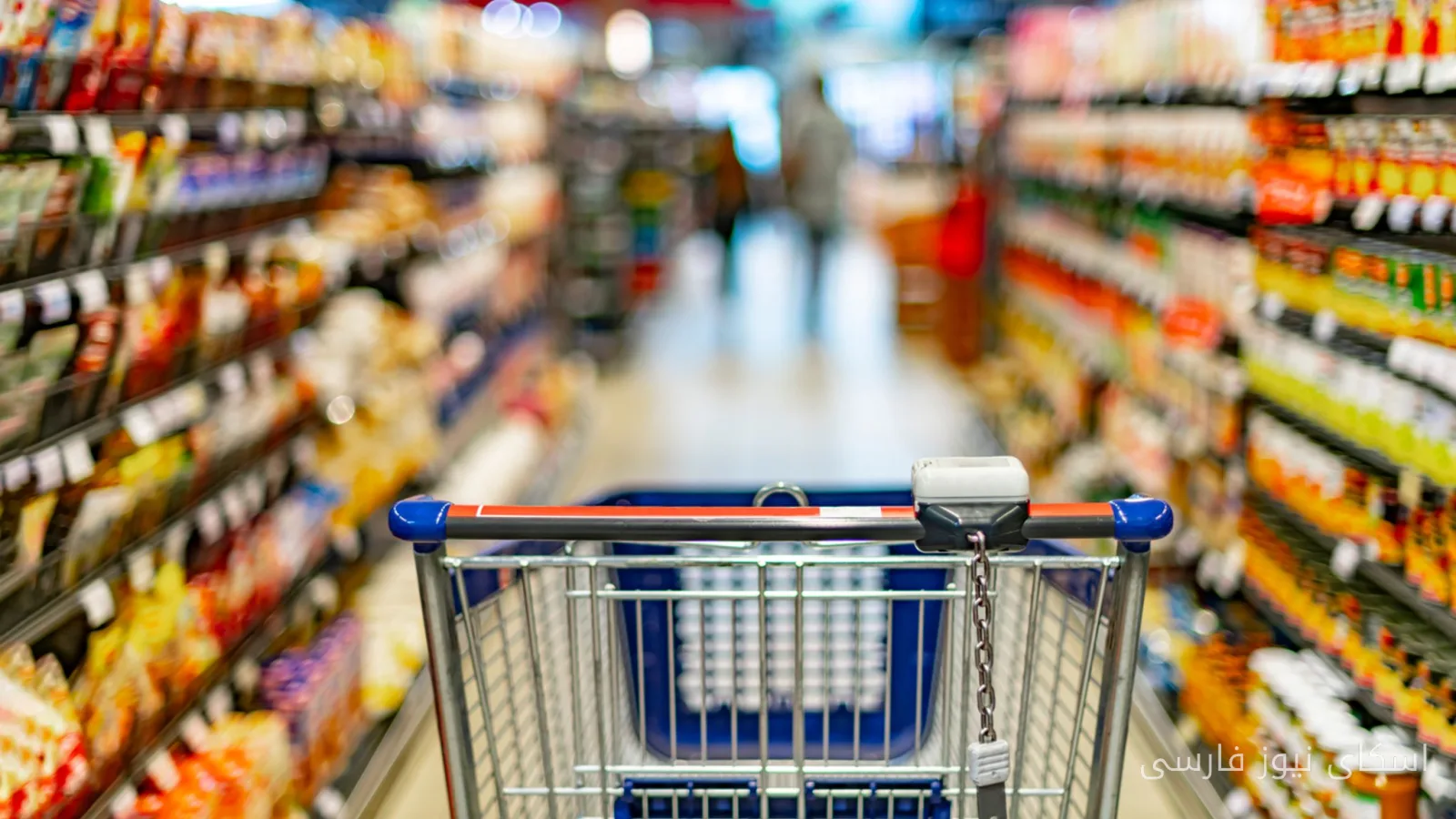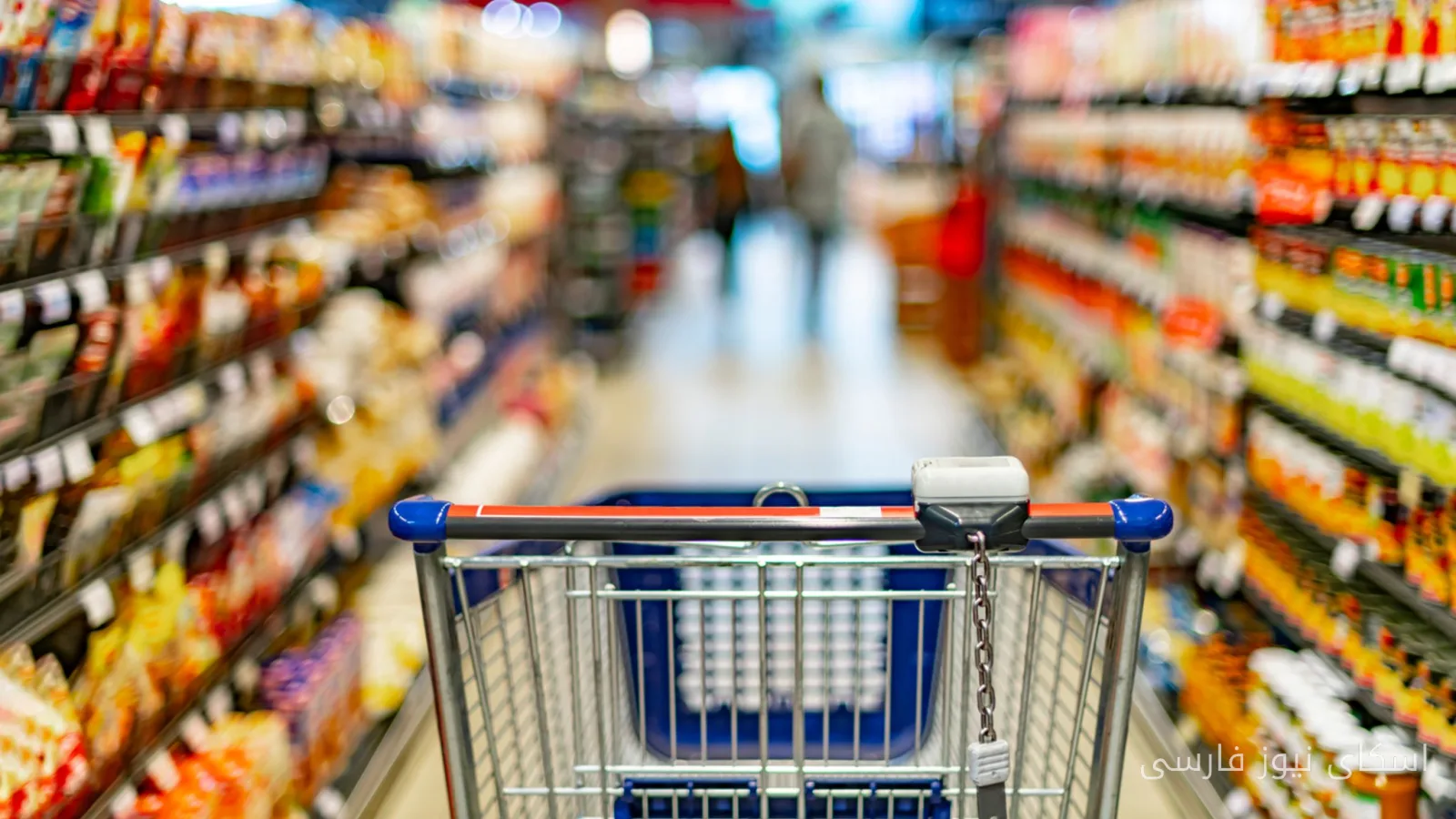
The rate of food price inflation in Britain has risen from its lowest level in 2024, raising concerns about further pressure on living costs this winter.
Reasons for Price Increases
Analysts warn that rising energy prices and poor agricultural yields could lead to further increases in living costs. These changes in the food market have caused buyers to seek cheaper options.
Read more: Labour mayors in England: The tourism tax will be a maximum of 5 percent
Impact on People's Purchasing Power
With rising inflation rates, people's purchasing power has been affected, and many households have had to change their buying behavior. These changes are particularly noticeable for low-income and vulnerable segments of society, as they are more affected by price fluctuations.
Economic experts believe that if this trend continues, governments may be forced to adopt special measures to support families. These measures may include food subsidies or financial assistance to households.
Future Predictions
Given the current conditions, it is expected that the rate of food price inflation will continue to be influenced by various factors, including global energy prices and weather conditions, in the coming months. These factors could lead to further price increases and pressure on living costs.
Read more: Stores authorized to accept digital ID for alcohol purchases · Apple stock price target cut by Bank of America after unveiling new iPhone