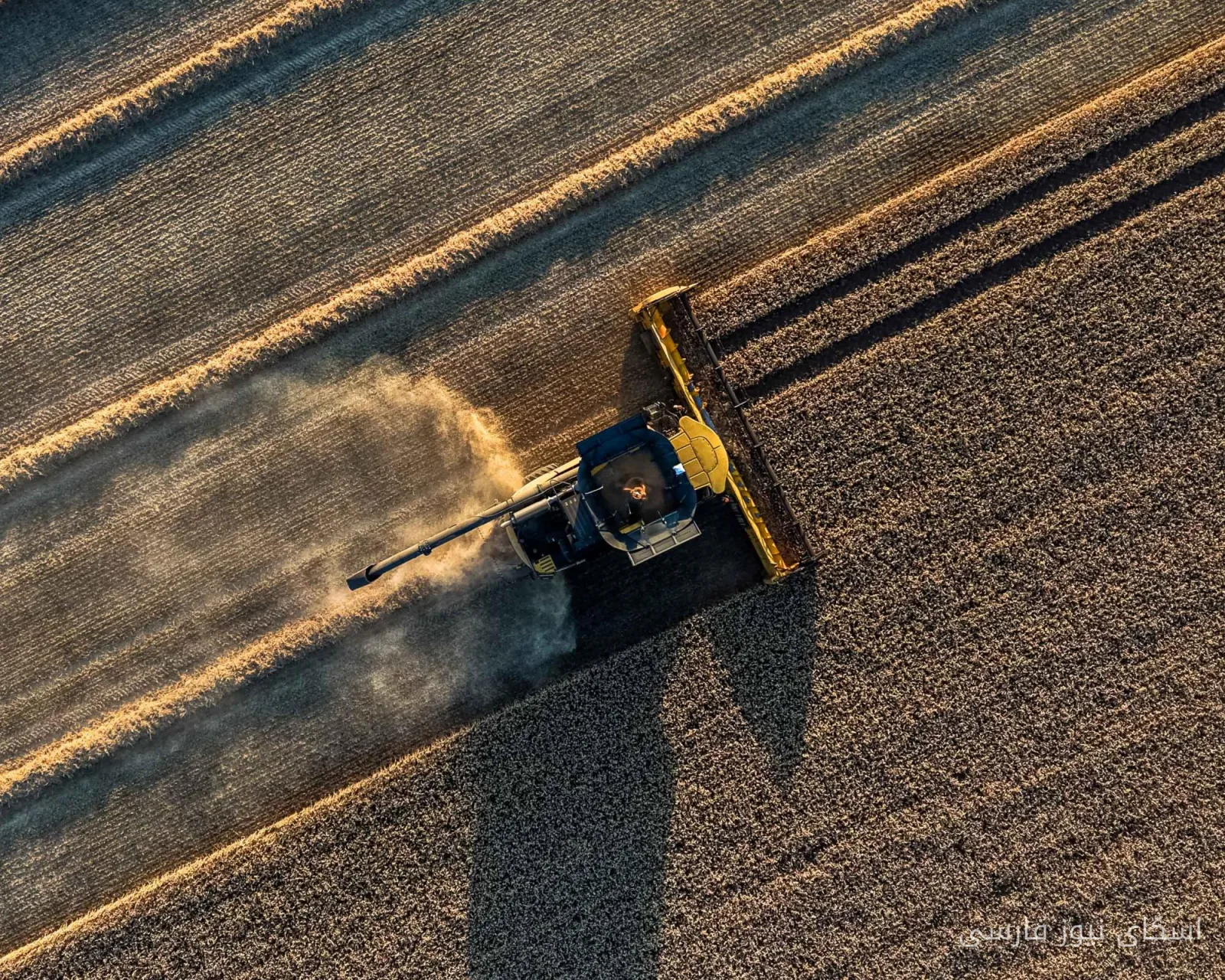
England, known as one of the rainiest countries in the world, is now facing a serious challenge called soil moisture deficiency. According to recent reports, the soil in most parts of England and Wales is severely thirsty, and this issue could have dire consequences for agriculture and the environment.
How is Soil Moisture Deficiency Measured?
Soil Moisture Deficiency (SMD) refers to the amount of moisture that soil needs to reach its full capacity. When the land is extremely wet and excess water has drained away, it is said to be at its field capacity. This moisture deficiency is expressed in millimeters of precipitation needed to fill the soil moisture to field capacity.
In winter, soil moisture deficiency in southern England is usually close to zero, but in summer this number can reach around 100 millimeters, and in dry years it may even exceed 150 millimeters. The point at which the soil has no water available for plants is known as the "permanent wilting point."
Serious Consequences of Soil Moisture Deficiency
This situation can lead to serious crises in agriculture and negatively impact crop production. According to climate forecasts, it seems that this trend will continue in the future, and there may be a need for immediate and effective measures to address it.
Overall, soil moisture deficiency in England is a serious warning for farmers and the environment. If this problem is not resolved quickly, its consequences may extend beyond agricultural borders and harm other aspects of social and economic life in the community.