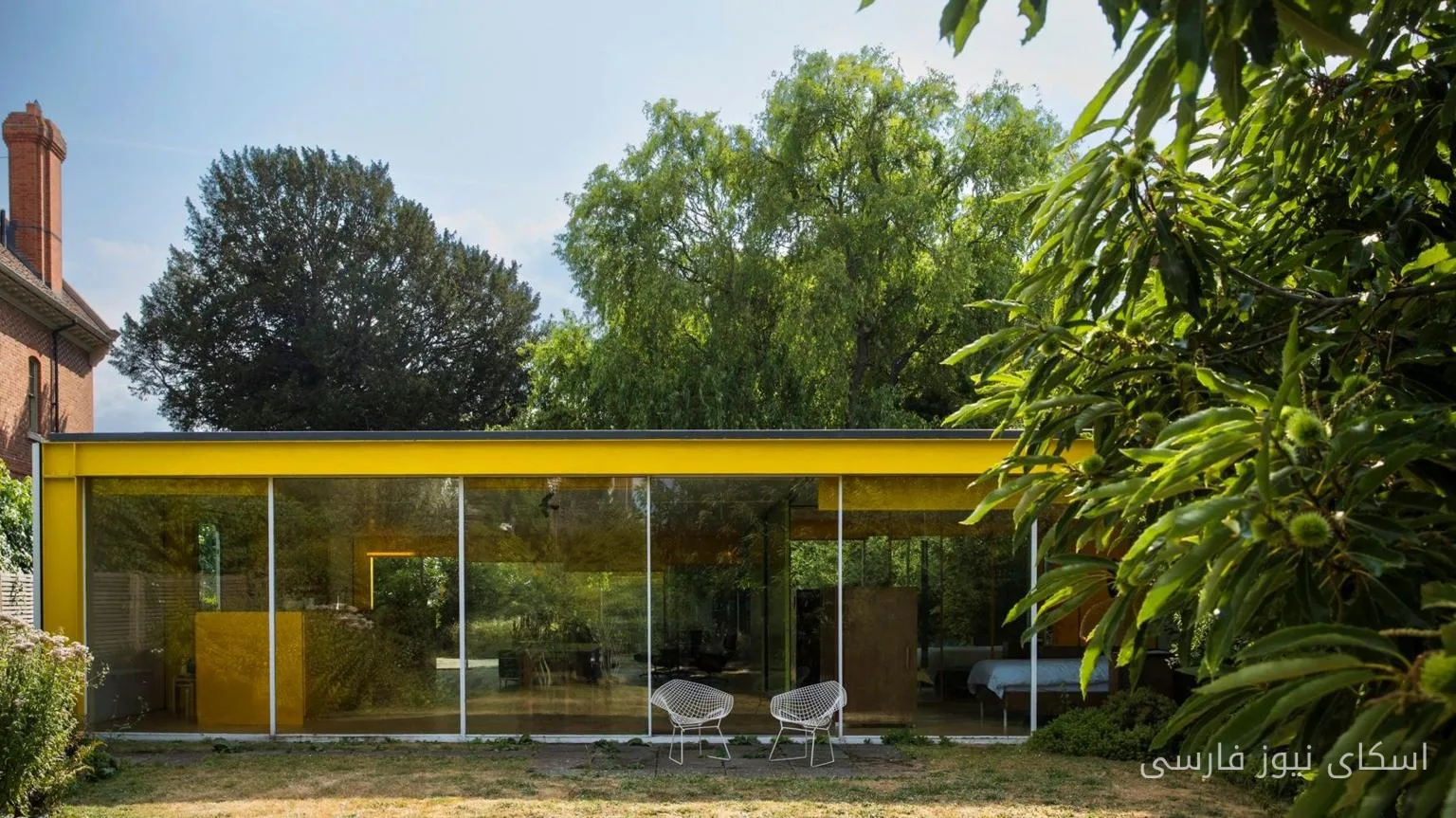
Richard Rogers' house, the prominent British architect known for the famous design of the Lloyd's building in London, has been donated to the National Trust. This action is considered a milestone in the history of architecture in this country, aimed at preserving and maintaining modern architectural works.
A Legacy of Modern Architecture
Richard Rogers, recognized for his innovative designs and use of modern materials, has been active in the field of architecture for years, and his works have significantly influenced the design trends of buildings worldwide. His house, recognized as a prime example of modern architecture, has now been entrusted to the National Trust to be made accessible to the public and used as a cultural and educational center.
This action not only helps preserve Rogers' architectural legacy but also provides an opportunity for future generations to become familiar with his ideas and designs. The National Trust, with its planning, aims to transform this place into a space where visitors can learn about the history of modern architecture and experience Rogers' works up close.
Challenges and Opportunities
However, this transfer is not without its challenges. The National Trust must face the costs of maintaining and restoring this house and also needs to attract visitors. At the same time, this action could inspire other architects and artists to donate their works to similar institutions, thereby strengthening culture and art in society.
Overall, the donation of Richard Rogers' house to the National Trust is an important step in preserving and promoting modern architecture and can be seen as an example of the social responsibility of architects in preserving cultural heritage.