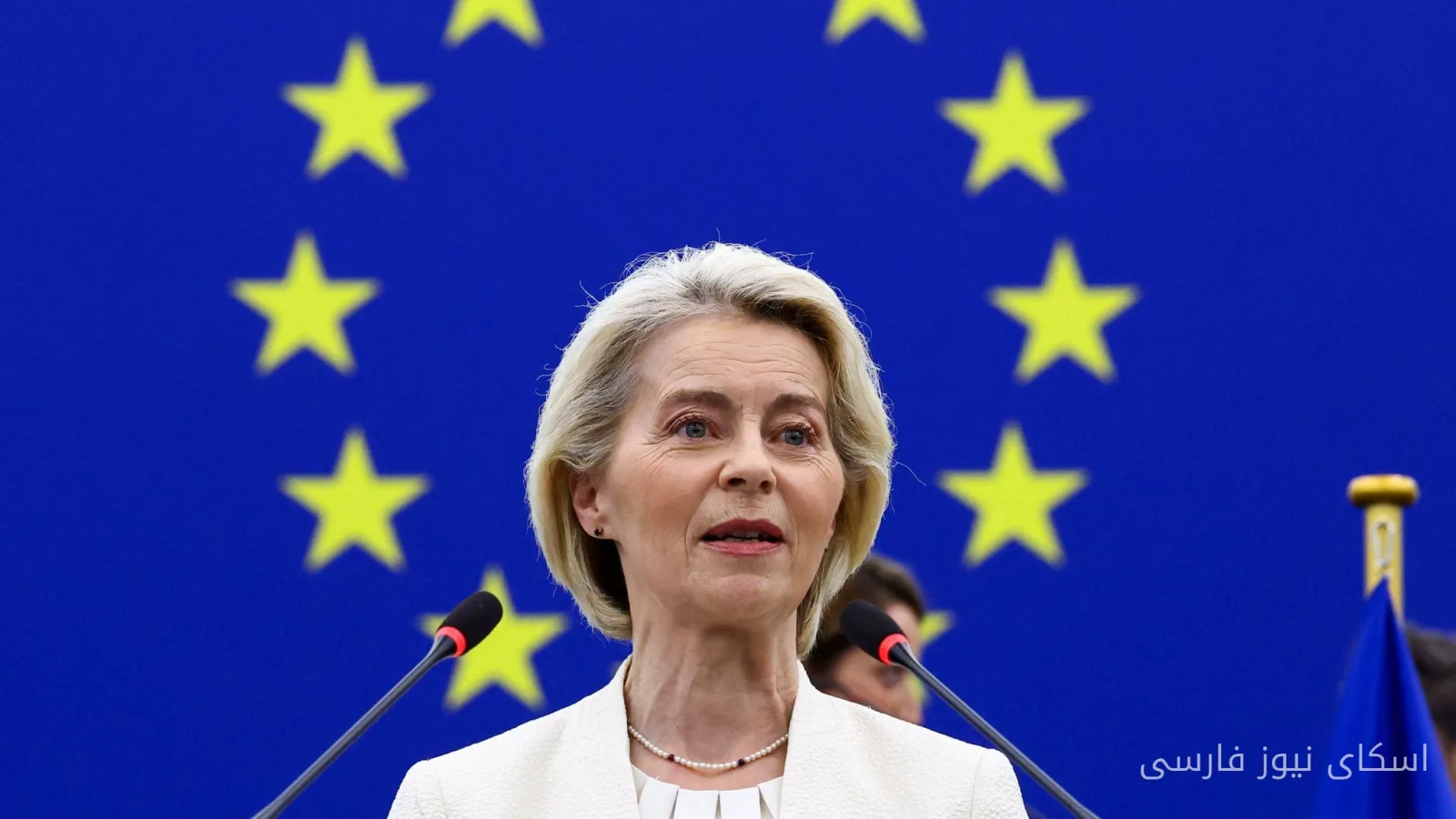
The European Union (EU) has recently made an important decision that prohibits the use of social media for children under 13 years old. This action is aimed at protecting young people from the dangers and harms associated with activities on platforms like Facebook, Instagram, and TikTok.
Reasons for the Access Ban
This decision aligns with the EU's efforts to create a safer digital environment for children. Given the increasing concerns about the negative impacts of social media on the mental health and social development of children, European officials believe that limiting children's access to these platforms can help reduce the risks of online harassment and inappropriate content.
Read more: Upcoming elections in Sweden; far-right approaches power
New Restrictions for Older Children
In addition to the complete ban for those under 13, this law will also limit access for older children. The specific details of these restrictions have not yet been fully announced, but it seems that the main goal is to protect older children from similar dangers they may face online. This action is particularly in response to growing concerns about the negative effects of social media on the mental health of children and adolescents.
The European Union is currently reviewing and approving this law, and it is expected to come into effect in the coming months. The implementation of this law may bring significant changes to how children interact with technology and social media.
Consequences of Law Implementation
The implementation of this law could have wide-ranging consequences. On one hand, this action may help reduce the risks of online harassment and inappropriate content. On the other hand, some experts believe that strict limitations may create new problems for children, including lack of access to educational and informational resources that can be obtained through social media.
Overall, this decision is part of the EU's efforts to regulate the digital space and protect children's rights in the online world. While this action can help reduce online harms, it is essential to provide alternative and effective solutions to meet the informational and communicative needs of children.
Read more: Disruption in Dutch rail services due to possible sabotage · A law to protect children in the digital world