In the contemporary world, where the climate crisis has become a serious threat, architects and urban planners in Europe are seeking to make fundamental changes in public spaces. New projects aimed at returning to human-centered urban life specifically focus on transforming car-centric spaces into green and usable areas for citizens.
From Parking Lots to Gardens
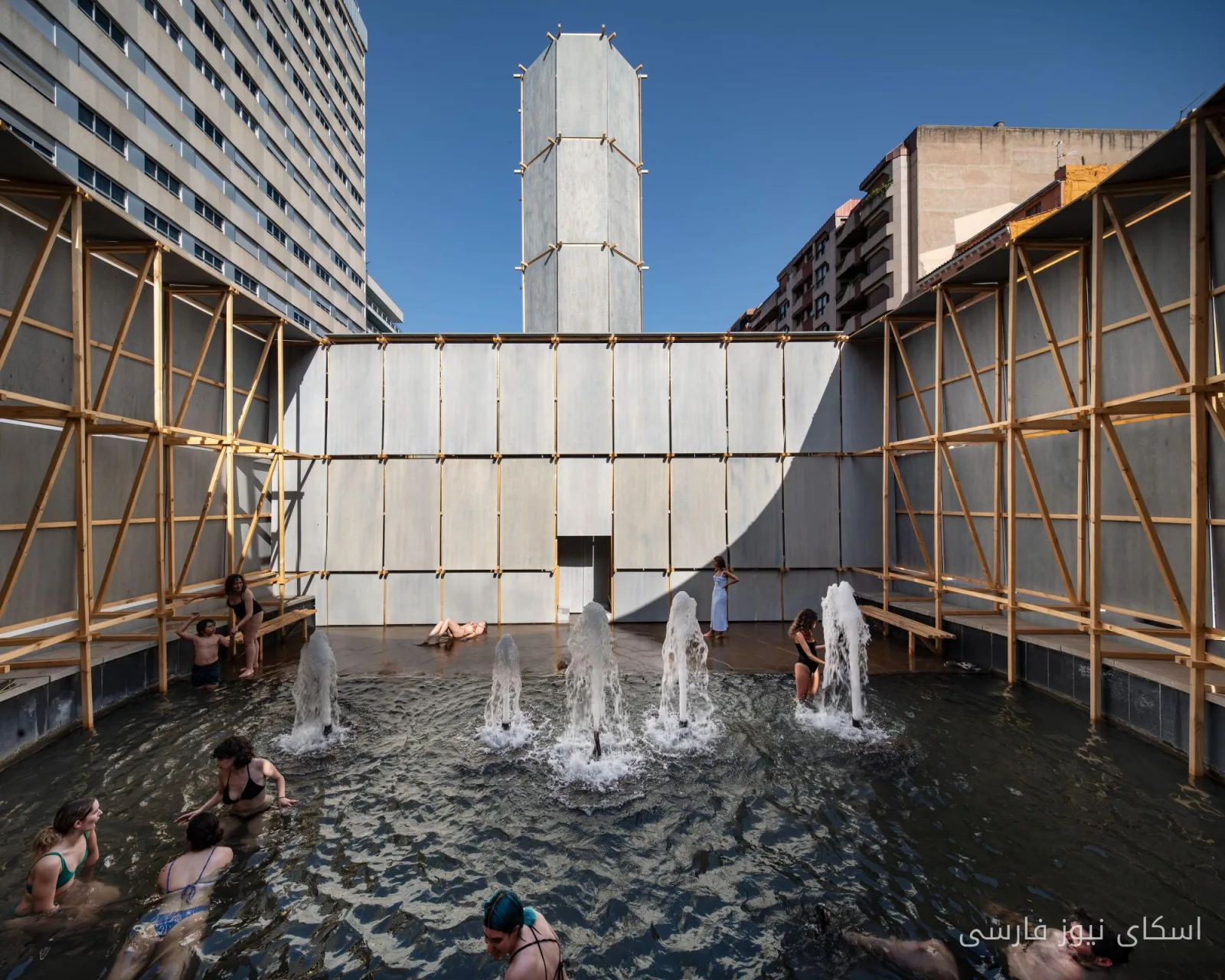
These changes are highlighted by prestigious awards such as the European Urban Public Space Award. Selected projects include converting squares and roundabouts into water pools and fountains, busy streets into urban gardens, and parking lots into green and recreational spaces. These initiatives not only create visual beauty but also help reduce temperatures and improve the quality of life in cities.
With rising temperatures and climate changes, the need for green spaces in cities is felt more than ever. Projects showcased in these competitions demonstrate the reality that new and efficient urban living spaces can be created by transforming old infrastructures. These changes, especially in densely populated areas, can have positive impacts on the daily lives of residents.
Challenges and Opportunities
Of course, implementing these changes is not always easy. Architects face challenges such as securing funding, resident resistance, and local regulations. However, given the increasing demand for green and sustainable spaces, many believe that these challenges can turn into opportunities for innovation. Ultimately, these projects are not only seeking beauty but their main goal is to create a healthier and more nature-compatible environment for future generations.