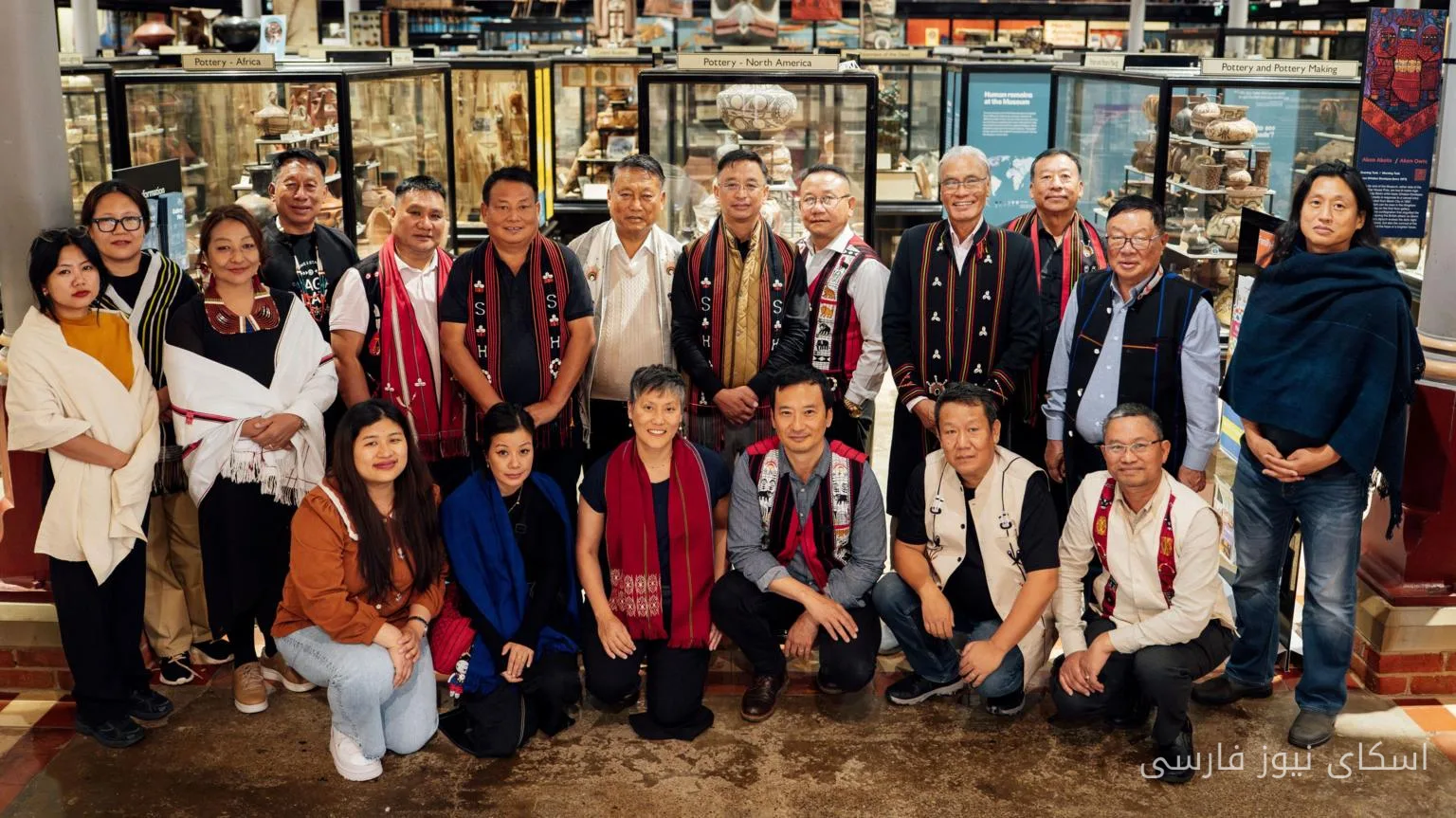
The Pitt Rivers Museum in Oxford has recently decided to return over thirty-seven collections of human remains to the Naga people. This historic action is seen not only as a symbolic move towards revitalizing the cultural identity of the Naga people but also helps to clarify issues related to human rights and the historical responsibilities of museums and cultural institutions.
Revitalizing Cultural and Historical Identity
The return of these remains, which constitute part of the history and culture of the Naga people, reflects a shift in museums towards transparency and respect for the rights of local communities. In the past, many museums were criticized for collecting and holding artifacts and human remains from various communities. Now, with this action, the Pitt Rivers Museum seeks to rectify past mistakes and establish a positive relationship with the Naga people.
Social and Cultural Implications
This decision can serve as a model for other museums and cultural institutions around the world. Returning human remains to local communities not only helps to repair damaged historical relationships but also provides an opportunity for dialogue and exchange about shared culture and history. Furthermore, this action can lead to increased public awareness about the history and culture of the Naga people and the importance of preserving cultural identity in the modern world.
Ultimately, the Pitt Rivers Museum demonstrates through this action that museums can act as responsible and accountable institutions in society and take effective steps towards revitalizing the cultural and historical identity of various communities.