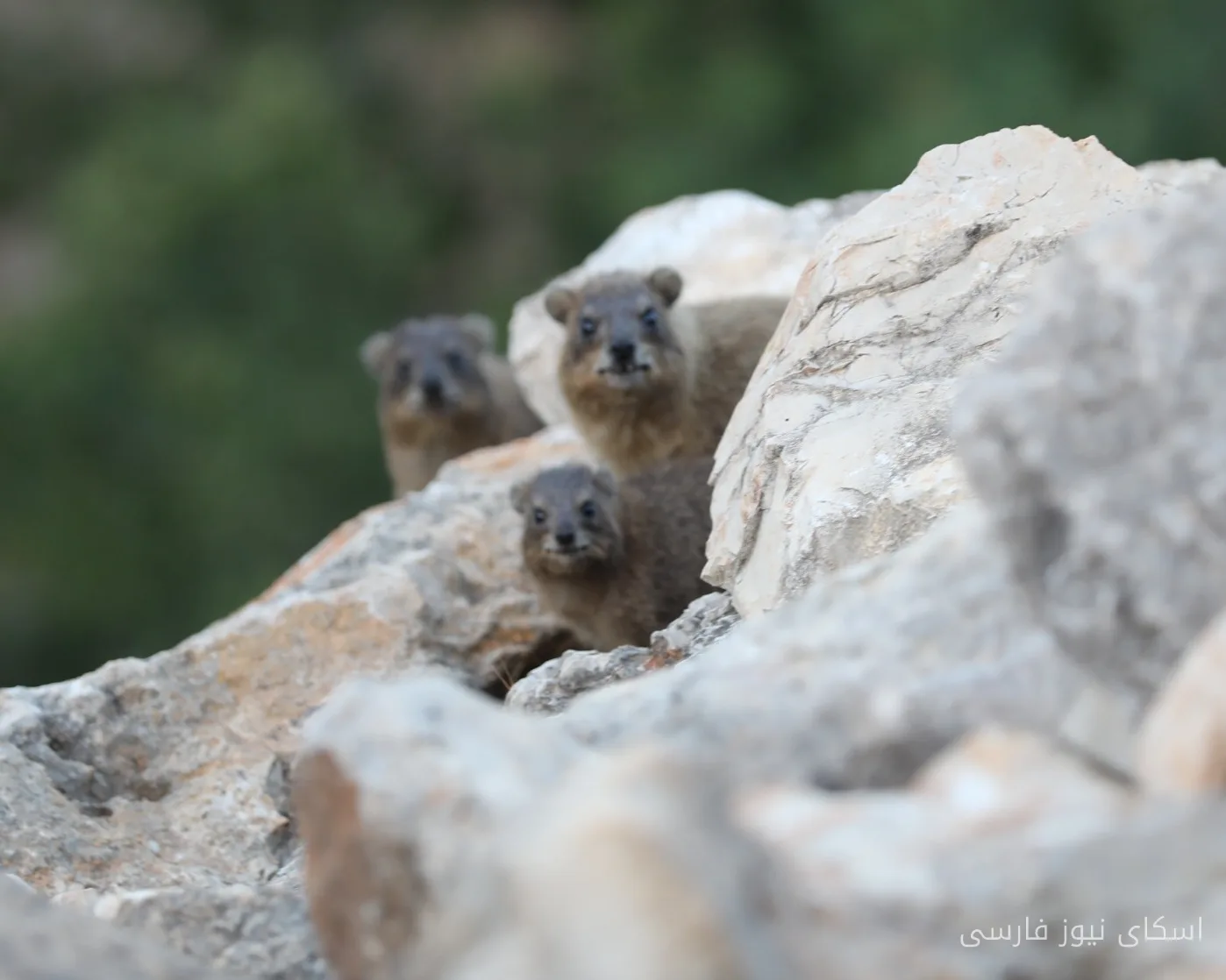
Wars are usually measured by the number of casualties, destruction, and the devastation of cities, but what is hidden beneath the rubble receives less attention. In southern Lebanon, large and frequent explosions not only bring about human tragedies but also destroy the ancient habitats of rock lizards that have been home to these creatures for centuries.
Habitat Destruction
In this sensitive border area, Syrian rock lizards are heavily dependent on the fragile environment. As a member of an environmental organization that documents the impacts of war on the ecosystems of southern Lebanon, I am working to document the damage inflicted on forests, wildlife, and the delicate ecosystems of this region.
The destruction of habitats and the loss of natural resources are not just a consequence of war; they reflect a disregard for the sensitive and fragile ecosystems that are at risk. Rock lizards, these small and furry creatures, stand as symbols of this ecosystem, facing threats from war and habitat destruction.
Consequences of War on Wildlife
This war not only threatens human lives but also indirectly leads to the extinction of various wildlife species. The destruction of forests and earthworks has replaced natural habitats, making survival and continuation of life for these species impossible.
In these circumstances, we must remember that wars affect the lives of all creatures, not just humans. Attention to wildlife and the preservation of natural ecosystems is essential for the protection of the Earth and future generations. Do we, as humans, have the ability to confront these disasters?