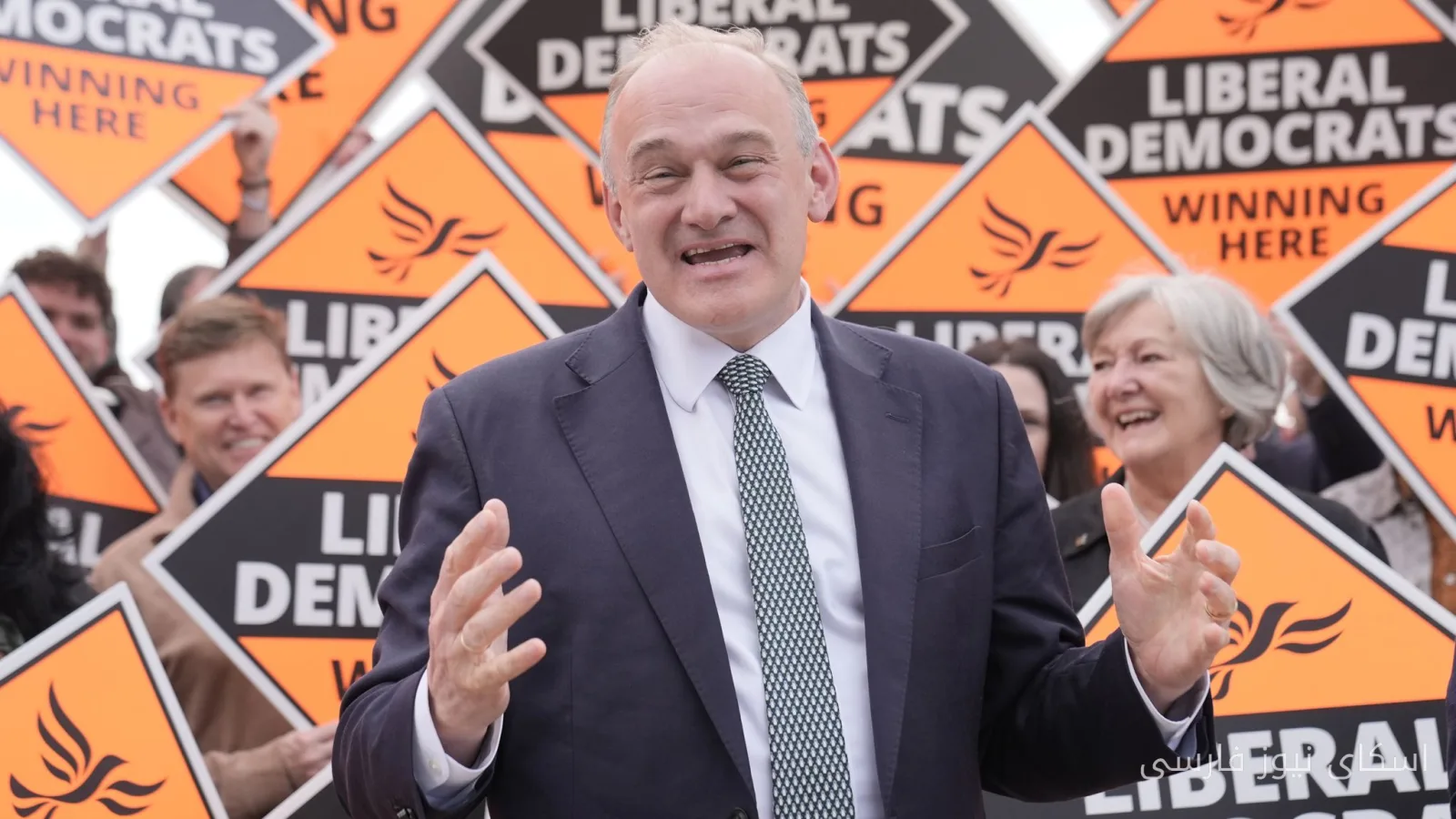
Ed Davey, the leader of the Liberal Democrats in the UK, has achieved the longest leadership tenure among national parties in the UK following Keir Starmer's resignation from the leadership of the Labour Party. Davey has been in this position since early 2020 and is now in a position to significantly influence the political future of his party.
History of Ed Davey's Leadership
Ed Davey, who was elected as the leader of the Liberal Democrats in 2019, has faced many challenges during his leadership. He has sought to strengthen his party's position in Parliament and attract more support from voters, particularly in economic and social areas. Davey has worked to make the party a more serious option for voters, especially in the post-Brexit era.
Read more: Tbilisi and Tehran Relations: Forbidden Borders!
Consequences of Keir Starmer's Resignation
Keir Starmer's resignation from the leadership of the Labour Party gives Ed Davey the opportunity to play a larger role in national policies. While the Labour Party is trying to rebuild itself, Davey can leverage this vacuum to present the Liberal Democrats as an influential force in UK politics. These changes may lead to shifts in the electoral landscape and increased competition among parties.
Davey is now in a position to introduce his party in a new way by focusing on key issues such as climate change, human rights, and social justice. Additionally, he must respond to the needs of voters and provide solutions to gain public trust.
The political future of the Liberal Democrats heavily depends on Ed Davey's ability to manage these changes and garner community support. In this context, Davey must act in a way that showcases his party as a serious competitor in upcoming elections and can win the trust of voters.
Read more: Delay in Legal Action Against Murrell, Former SNP Chief · Reform UK Receives £72 Million from Two Cryptocurrency Billionaires