In a unique project, a group of scientists is investigating whether Alaska's ecosystems can respond to the climate crisis they currently face. While many of us think about the survival and adaptability of species, these researchers believe that the key to success may lie in the interactions between species.
Exploring the Heart of the Tundra
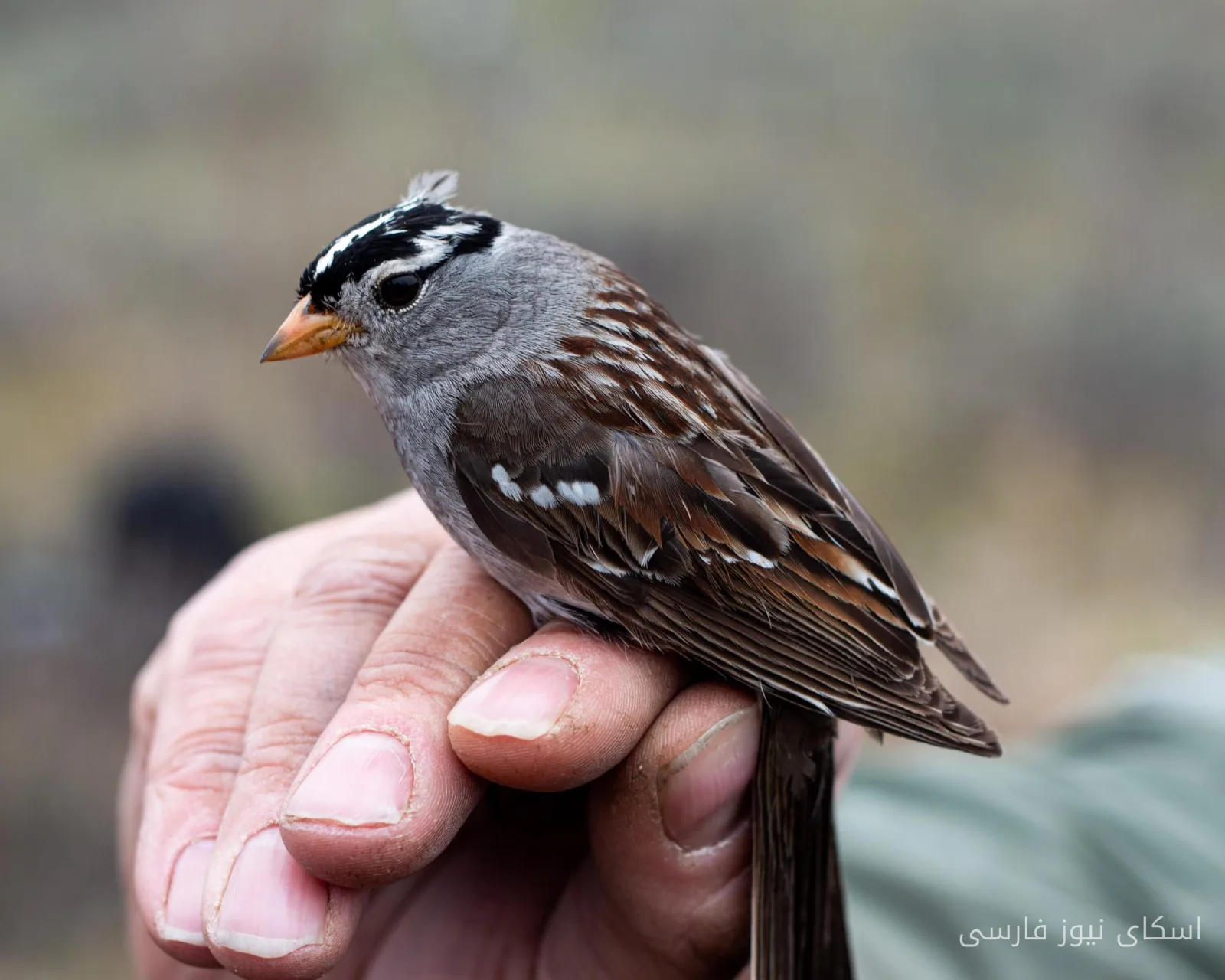
In the northern slopes of Alaska, scientists are traversing patches of tussock grass towards the rushing streams that flow from the ice and snow-covered Brooks Range. Near the Galbraith stream, these researchers set up a mist net to catch the white-crowned sparrows. These birds have recently arrived from southern regions and are searching for prey to feed on that will soon flood the tundra.
The Arctic summer is very short, and the sparrows have only a few weeks to establish their territories, find mates, lay eggs, and raise their chicks on a diet rich in insects. Researchers collect blood, feather, and fecal samples from each bird caught to examine what they eat and how this diet changes throughout the summer.
Future Outlook
This research could help clarify how climate change affects biological interactions. Can ecosystems simultaneously adapt to rapid changes? Or could these changes lead to significant disorder? As scientists continue to investigate this area, the future of the tundra and streams of Alaska remains shrouded in uncertainty.
Ultimately, the question arises whether we, as humans, can find a way to support these ecosystems or if we should let nature take its course during this critical time.