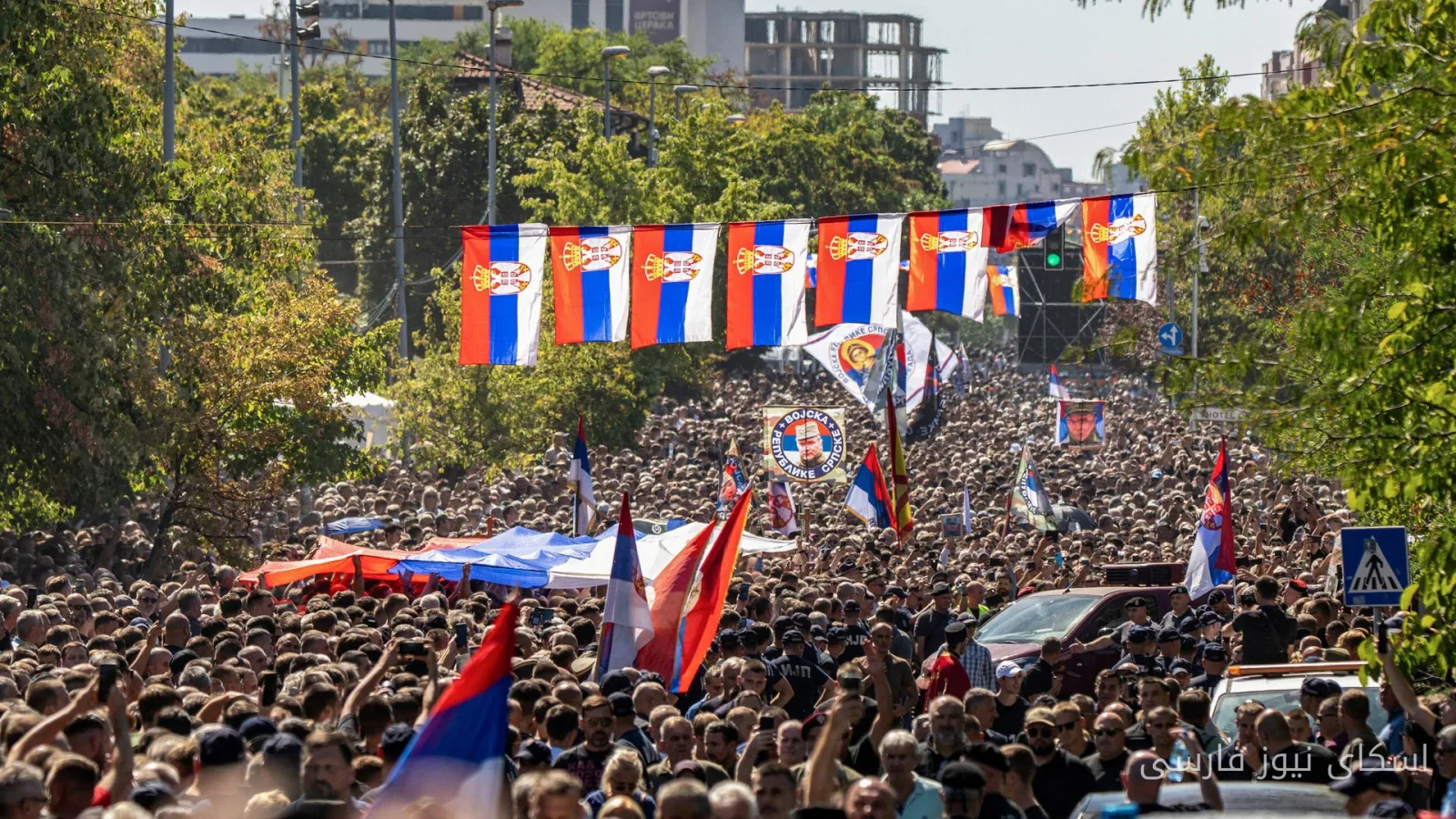
In a controversial diplomatic move, Britain summoned a senior Serbian diplomat due to Serbia's participation in the funeral of Ratko Mladic, one of the notorious war criminals of the Balkans. This action clearly demonstrates London's dissatisfaction with such actions in a region still grappling with its bloody history.
A Provocative Funeral
Ratko Mladic, known as the 'Butcher of Bosnia', is globally reviled for his role in the genocides and war crimes during the Bosnian War in the ۱۹۹۰s. His funeral, attended by senior Serbian officials, reopened old wounds in the country and faced strong domestic and international backlash.
The summoning of the Serbian diplomat by the British special representative in the Balkans is seen not only as a firm message against war crimes and provocative behavior by Serbia but also reflects deeper concerns about the rise of nationalism and ethnic tensions in the region. Many believe this event could mark a turning point in relations between Britain and Serbia.
Potential Consequences for International Relations
Analysts believe this diplomatic sanction may affect Serbia's relations with Western countries and increase the political isolation of the country in the international community. As Serbia seeks to follow a path toward the European Union, such actions could overshadow the negotiations and relations of the country with others.
This event also serves as a reminder of the ongoing challenges in the Balkans, which are still dealing with the repercussions of past wars. With continued tensions and ethnic divisions, peace and stability in this region seem to remain uncertain.